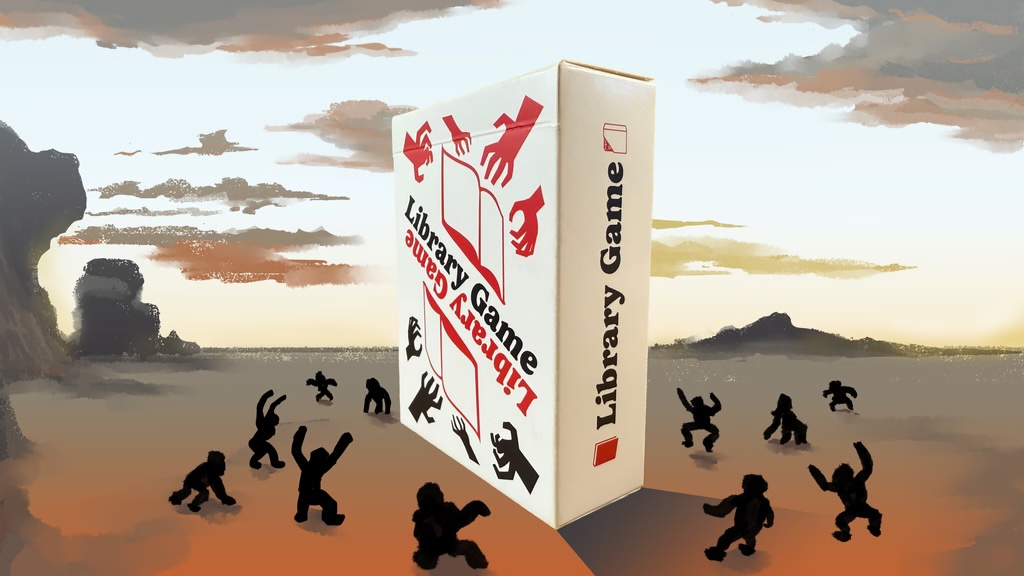
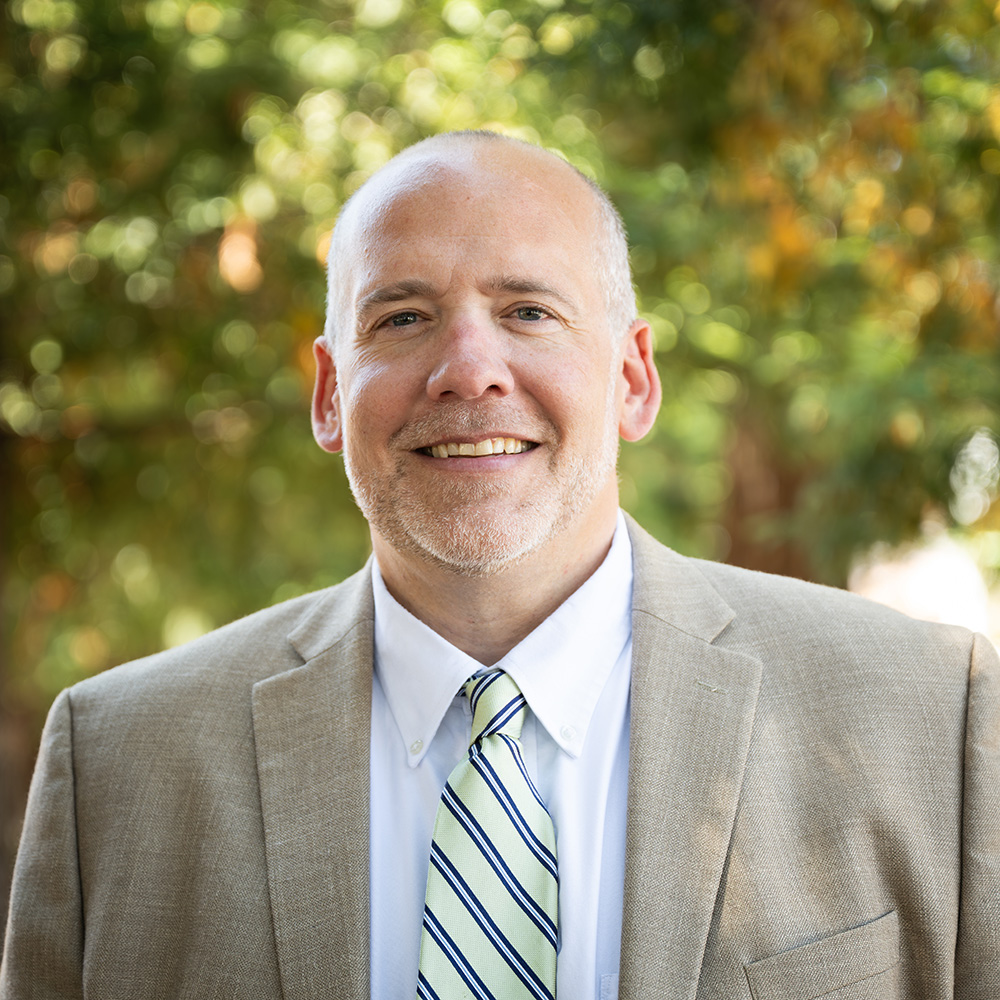
Gene Ambaum is a library guy who lives in the Pacific Northwest. In his spare time he reads and dreams of having more spare time. He co-created and wrote Unshelved.
Bobbi L. Newman (she/her) is a librarian, author, professor, and consultant with over two decades of experience across public, academic, and special libraries. She has held leadership roles in strategic planning, digital services, community engagement, and national initiatives. She is the author or editor of several books, including the forthcoming The Public Librarian’s Guide to Answering Health Questions (with Carolyn Martin), Fostering Wellness in the Workplace: A Handbook for Libraries, and Well-Being in the Library Workplace: A Handbook for Managers. She is an internationally recognized speaker, she has delivered keynotes, workshops, and invited presentations around the world. Bobbi believes the value and power of libraries comes from the people who work in them. She is passionate about creating library environments where everyone belongs, and about advancing organizational practices that support the people doing the work.
Sam Helmick is a librarian and library leader who believes that a thriving civil society depends on places where people can belong, learn, encounter ideas, and meaningfully participate in their communities. They serve as Community & Access Services Coordinator at Iowa City Public Library and recently completed their term as President of the American Library Association, where they now serve as Immediate Past President. Sam’s work focuses on how libraries build connection, expand access to knowledge, and create opportunities for people to participate fully in civic and community life. They are passionate about the enduring—and evolving—role of libraries in helping us imagine and build a better society together.
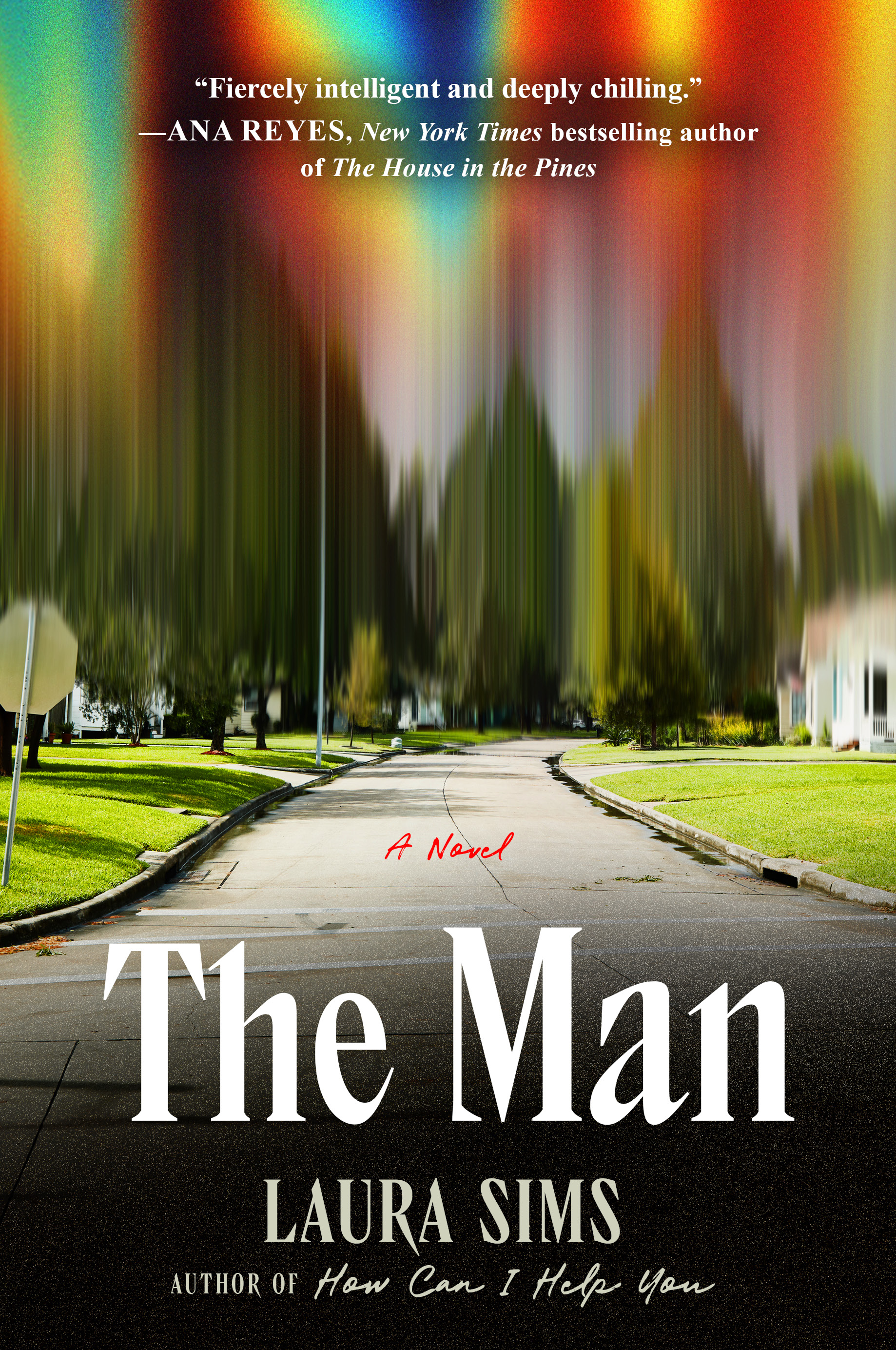
From the highly acclaimed author of How Can I Help You, a New York Times Best Thriller of the Year: a singular take on the psychological suspense novel that follows a 1960s housewife turned amateur photographer who begins to fear for her life when she notices the dark silhouette of a man in the background of her self-portraits.
The photos Judith Stanley takes are just for her, a private passion to fill her suburban days. But when she shares them with Paul Sorenson, her new photography instructor, she’s unprepared to hear his astonished praise. “Stunning,” he calls her photos. “Extraordinary.” She has an uncanny eye, he says, and should consider publication. He could help. Except Judith has no interest in sharing her work; in fact, the mere idea of it frightens her.
Still, emboldened by Paul’s encouragement, Judith ventures out beyond her quiet neighborhood to the city in search of increasingly striking images. When she starts to notice the dark shape of a man in the corner of her self-portraits, Judith is certain he’s an attacker from her past. She doesn’t know why he has returned, but she’s sure of his presence: the hoarse sound of his breathing, his hard grip on her elbow. Perhaps it would appease the man if she were to put her camera down and give up her private passion. But she can’t; she refuses. Until one night when the man finally emerges from the shadows, and Judith’s story suddenly and irrevocably becomes his own.
Chilling and heart-poundingly propulsive, The Man is a phenomenal and timely novel exploring the inescapable fear of living as a woman, the tantalizing seduction of artistic freedom, and the very real dangers that lurk both inside and outside the confines of the mind. The Man marks Laura Sims as an extraordinary talent at the top of her game; and this, her third novel, is her greatest achievement yet.
If you’re looking for your next great read, check your library’s website for NoveList Plus or go to https://about.ebsco.com/novelist/find-my-organization. With NoveList Plus, you’ll find human-curated reading recommendations based on your preferences and mood. And we’ll tell you why a book is being recommended, so you can quickly discover the perfect match.
Libraries have trusted NoveList for more than 30 years. Our book experts evaluate and write recommendations for titles, authors, and series, as well as audiobooks. Interested in seeing if NoveList Plus is right for your library? Go to https://about.ebsco.com/novelist/demos.
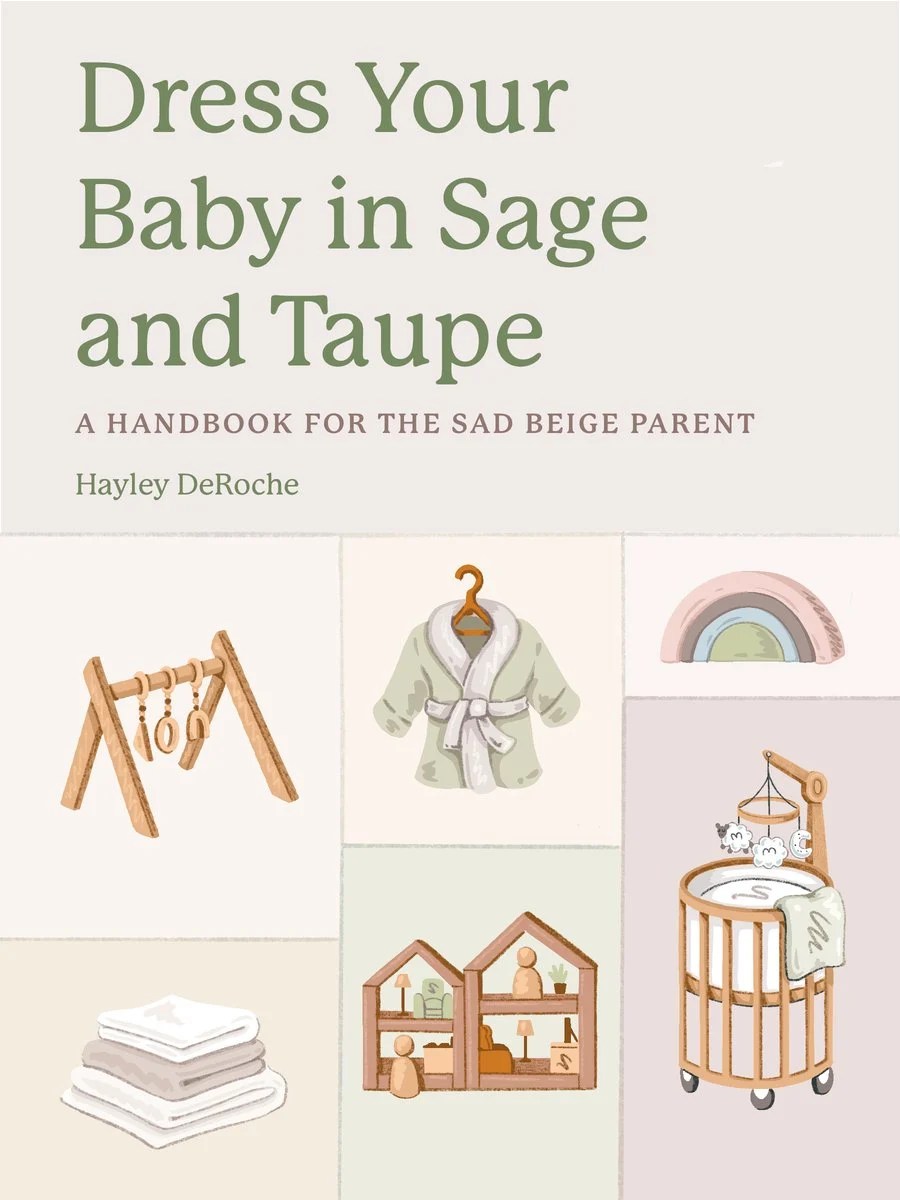
From Hayley DeRoche, the humorist who first coined the term “Sad Beige Mom,” a tongue-in-cheek illustrated guide to the neutral aesthetic sweeping nurseries everywhere.
Welcome to the wonderful world of beige parenting, where newborns are swaddled in soothingly sophisticated taupe muslin blankies and toddlers play only with wooden toys in shades ranging from oatmeal to sand. In Dress Your Baby in Sage and Taupe, Hayley DeRoche, the creator known online as @sadbeige, delivers a witty, illustrated satire of the perfectly monochromatic curated lifestyle embraced by modern parents. In a collection ranging from essays and quizzes to advice columns and poems, she takes aim at buzzy parenting trends such as feeding children artisanal baby superfoods or choosing obscure names for their kids like Tawny and Sorrel. This guide walks new parents through every step of the sad beige parenting journey, from decorating the nursery (take care to choose a suitably existential theme such as the Vastness of the Universe), all the way to the milestone that is the first birthday party (be sure to eschew plastic party favors in favor of hand-whittled wooden toys.) Along the way, she gently encourages new parents to realize that they are already the ideal caregiver for their unique little person, with or without the latest limited edition baby carrier or must-have sleep course. With custom illustrations by Julia Emiliani, this heartfelt blend of humor and social commentary is a breath of fresh air for both overwhelmed parents and those striving for Instagram perfection.
If you’re looking for your next great read, check your library’s website for NoveList Plus or go to https://about.ebsco.com/novelist/find-my-organization. With NoveList Plus, you’ll find human-curated reading recommendations based on your preferences and mood. And we’ll tell you why a book is being recommended, so you can quickly discover the perfect match.
Libraries have trusted NoveList for more than 30 years. Our book experts evaluate and write recommendations for titles, authors, and series, as well as audiobooks. Interested in seeing if NoveList Plus is right for your library? Go to https://about.ebsco.com/novelist/demos.
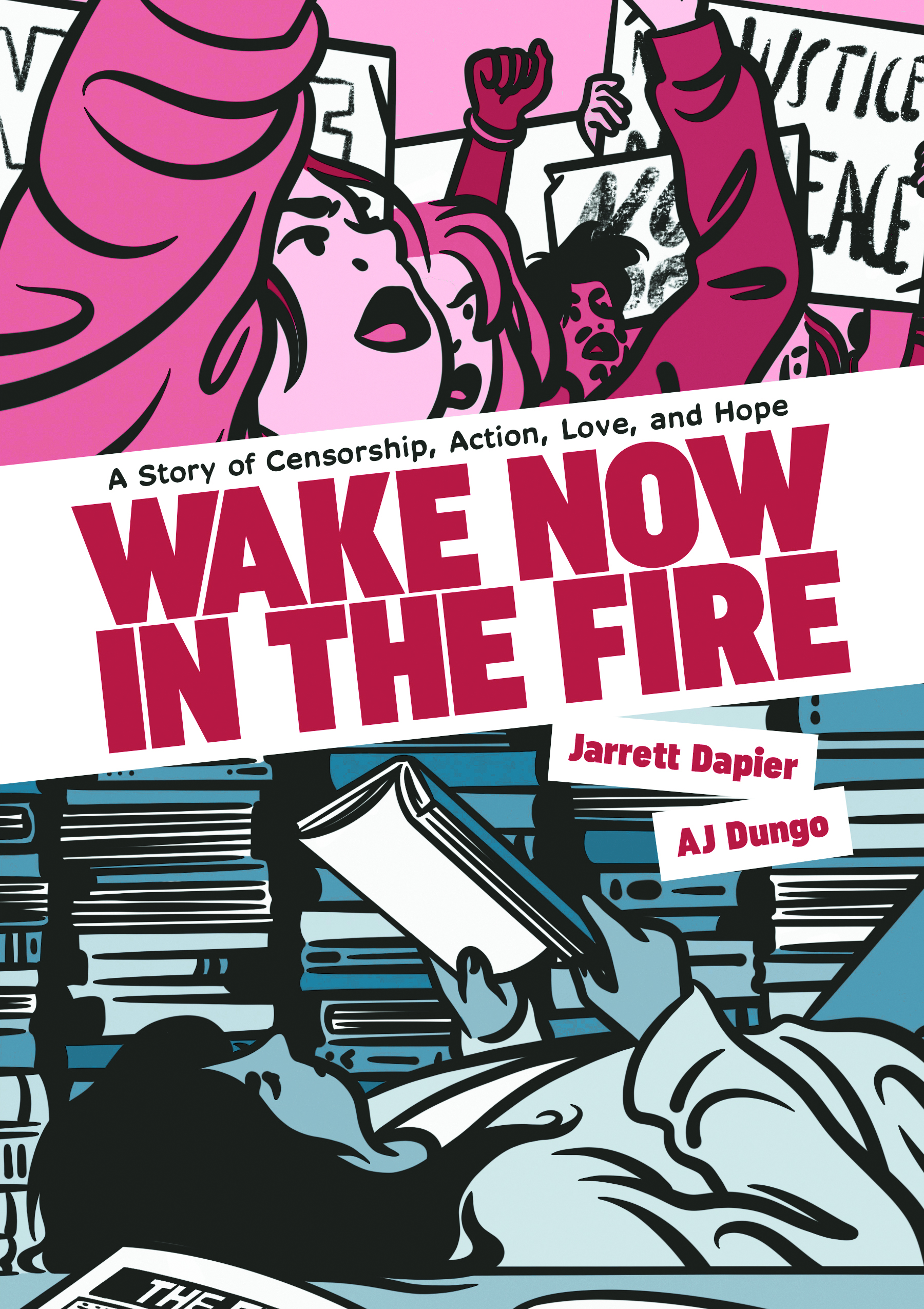
It starts as an update at one Chicago high school: copies of a certain book are no longer allowed in the classrooms or the library. But it’s not just one high school—it’s all Chicago public schools. Not even the principals know why this is happening; they just know they must comply with the order. One thing is clear: The book, which tells a story of oppression, survival, and resistance against authoritarian power, is seen as a threat, dangerous enough to ban. One other thing is clear: Some of the students aren’t going to let this go without resistance of their own.
As the extent of the ban becomes known, the students rise up. They organize a school-wide walkout and library sit-in. They publicize the banning in every forum they can: social media, the press, classes, clubs, the school paper. And most of all, they get everyone they know to read the book: Persepolis, by Marjane Satrapi.
Told from multiple perspectives, based on extensive interviews with the real-life students and teachers who were affected, and written by the librarian who exposed key information about the Chicago Public Schools censorship decision, Wake Now in the Fire is a fictionalized account of a true event that galvanized a community. With illustrations by Alex Award-winner AJ Dungo that perfectly capture the everyday joys, heartbreak, and stresses of high school, this graphic novel is an inspiring portrayal of student activism taking on one of the most urgent issues of our time, and a passionate reminder of why protecting the books we love matters.
Jarrett Dapier is an author, librarian, and lifelong drummer. His debut YA graphic novel, WAKE NOW IN THE FIRE, illustrated by AJ Dungo and edited by Ginee Seo, is about teens fighting censorship in Chicago and is based on true events. Jarrett’s picture book, MR. WATSON’s CHICKENS, illustrated by Andrea Tsurumi and published by Chronicle Books, received starred reviews in Publishers Weekly and Kirkus, received the Junior Library Guild Gold Standard distinction, and was selected by NPR and Bookpage as one of the best books of 2021. Jarrett’s picture book, JAZZ FOR LUNCH!, illustrated by Eugenia Mello and published by Atheneum/Caitlyn Dlouhy Books, received a starred review in Kirkus and was a finalist for the Ezra Jack Keats awards for both writing and illustration.
His third picture book, THE MOST HAUNTED HOUSE IN AMERICA, is a goofy, ghostly, rhythmic romp based on Jarrett’s experience drumming while dressed as a skeleton at the White House in 2009. That book is illustrated by Lee Gatlin, published by Abrams Books, and was a 2023 Illinois Reads selection.
Jarrett loves reading, playing the drums, visiting libraries and bookstores with friends, going to punk rock and heavy metal shows with his son, visiting historic Chicago sites with his wife, seeing theatre with his daughter (or theatre performed by his daughter), laying on the floor with his rescue dog Loki, swimming in Lake Michigan, watching and caring for birds around Chicago, kayaking in lagoons, and eating lots of candy (Nerds Gummy Clusters, please).
Jarrett hosts a podcast called I’m With the Banned, which is devoted to examining censorship in American culture through conversations with writers, artists, and librarians. He also drums in a band called Fascinator (you can download their 4-song EP “Trust Falls”here).
Jarrett was born with a crossed eye, a bad case of asthma, and the start of a sixth finger dangling off his left hand. He can see the hospital where he was born from his backyard.
Jarrett lives within spitting distance of Chicago in Evanston, IL.
Dr. Jeremy Shermak is a journalism professor at Cuesta College and a lecturer in the Journalism Department at California Polytechnic State University, San Luis Obispo. He holds a Ph.D. in Journalism from The University of Texas at Austin, a Master of Arts in Journalism from the University of Missouri, and a Master of Arts in Writing from DePaul University. Before entering academia, he worked as a professional journalist and has continued to integrate reporting into his teaching across courses in multimedia journalism, media ethics, and mass communication. His research and professional work focus on digital journalism, social media, and the evolving role of news in public life. He also produces independent media content, including the “MediaMak” podcast series.
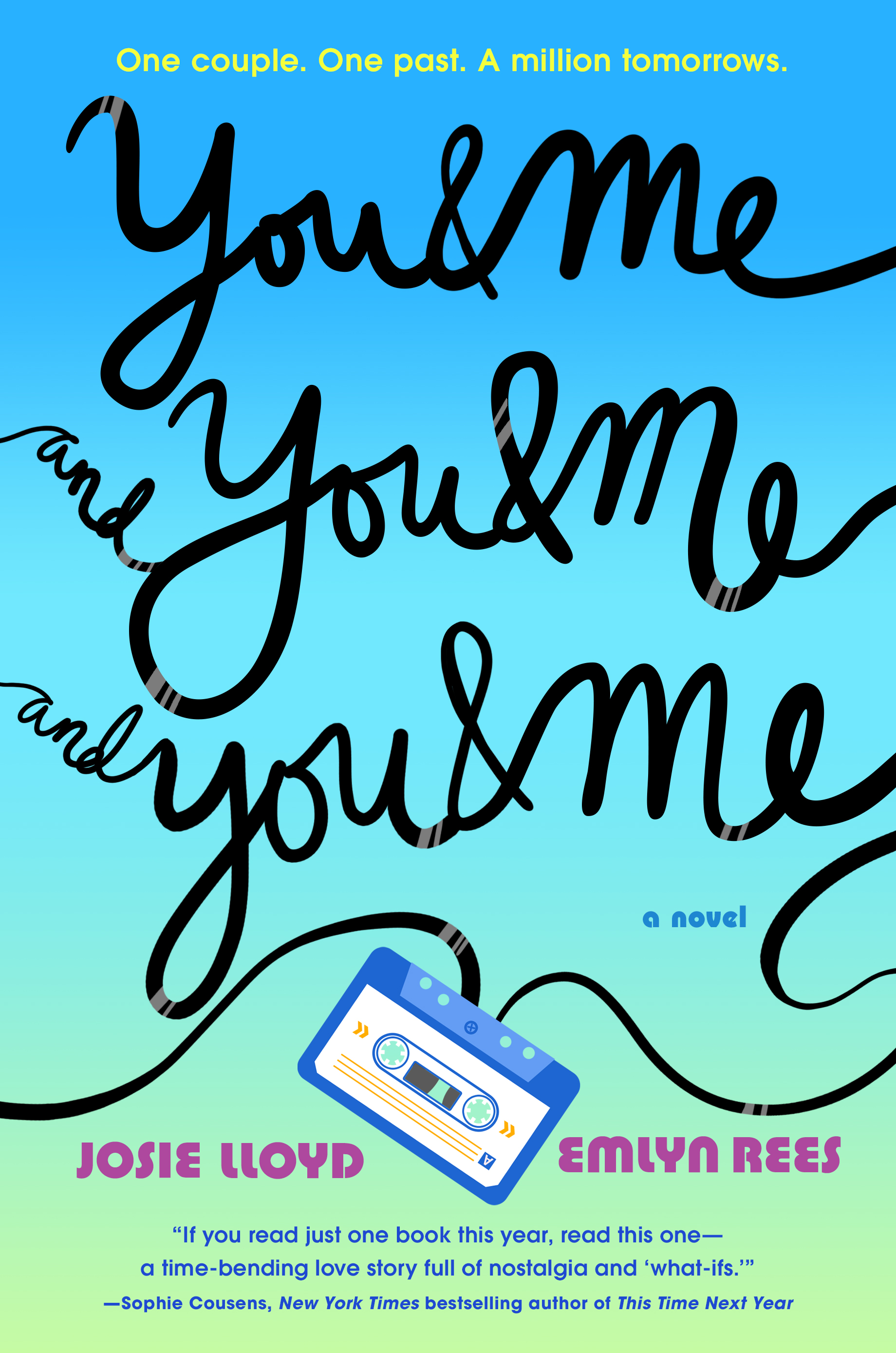
Josie Lloyd and Emlyn Rees first published together twenty-five years ago with the #1 Sunday Times bestseller Come Together, which was translated into twenty-seven languages and made into a film by Working Title. Josie and Emlyn then wrote a further six bestselling rom-coms together, all published in the UK. Josie has written thirteen other novels in a variety of genres, including The Bright Side Running Club, based on her own experience of breast cancer, which is currently in film development and was published in the U.S., while Emlyn has written a number of thrillers under his own name and as a ghost writer, published in the UK. Just like Adam and Jules in You & Me and You & Me and You & Me, Josie and Emlyn live with their kids and dog by Brighton Beach, but sadly they haven’t discovered a hole in the space-time continuum in their garden shed…or at least not yet…
Together, librarians and specialists can create experiences to reach all learners in their buildings, including those with hidden needs and talents.
While school librarians are experts at collaborating with classroom teachers, too often they overlook the specialists in their buildings as key collaborative partners.
Focusing on the many specialists who work with students, Karla Bame Collins provides information about their roles and responsibilities and discusses how school librarians can collaborate to improve learning for all students, including those with hidden needs, disabilities, and talents that are not easily detected and may go undiagnosed. Because librarians work with every student, but may not always be informed about each student’s particular needs, it’s important for them to know whom in the school to turn to for information. Librarians will gain ideas for working with students to provide the best possible learning environment for each.
This practical book looks at the whole school library environment-collection, instruction, space, and programming-and offers many ideas for librarians to collaborate with other educators and specialists for the good of all students.
Looking for a catalog solution on a tiny budget? TinyCat offers a powerful and professional catalog perfect for small libraries; from classrooms and churches, to schools and public libraries. The catalog is easy to use and easy to customize to your library’s needs. You can import library records or scan books in with the mobile app, track circulation, send reminder emails, and view detailed reports. TinyCat is powered by LibraryThing, and has served thousands of libraries over the last 10 years.
To double the length of your free trial, sign up at librarycat.org and say you heard about TinyCat from the Circulating Ideas podcast.
Dr. Bradley Custer is a higher education policy expert in Washington, D.C. He was most recently an analyst at the U.S. Department of Education, where he resolved complex complaints from student loan borrowers. He was previously a researcher at the Center for American Progress and a student services administrator on public college and university campuses. He holds a Ph.D. in higher, adult, and lifelong education from Michigan State University.
We are suffering from a crisis of belief in our country today. So many people have lost faith in America—in our leaders, institutions, and even one another. The status quo is not working for far too many of us. Our central task today is to meet this historic moment. But how do we grow our belief that we can get things done together—not as Republicans or Democrats or Independents, but as Americans? How do we rebuild trust and reclaim agency?
In this deeply personal manifesto written while crisscrossing the country for his “Enough. Time to Build.” civic campaign, Richard C. Harwood reveals how we can address the fundamental challenges holding us back in America today. We must dedicate ourselves to forging a new civic path that grows our belief that we can move forward amid our real differences. The New Civic Path is a must-read for those who want to spark civic renewal and get our communities and the country moving again.
Richard C. Harwood, President and Founder of The Harwood Institute for Public Innovation, is an innovator, author, and speaker. For nearly 40 years, he has devoted his career to revitalizing the nation’s hardest-hit communities, transforming the world’s largest organizations, and reconnecting institutions to society. He has been recruited to solve some of the most difficult problems of our time, including being called into Newtown, CT, after the massacre at Sandy Hook Elementary School. He has appeared in numerous national media outlets and has written scores of articles, groundbreaking reports, and nine books. In 2025, Rich and the Institute are running the Campaign for the New Civic Path, anchored by his manifesto, The New Civic Path: Restoring Our Belief in One Another and Our Nation.